Most people do not have a tech news problem. They have a tech news volume problem. The fix is not a better feed or a stricter app timer; it is deciding what you actually need from the news, then picking a small set of sources built for that job and letting the rest go.
That decision matters more than which outlets you choose. A launch-day rumor mill, a weekly analysis newsletter, and a specialist trade site are all doing different work, and none of them can substitute for another. Once you sort sources by job, the noise largely sorts itself out.
Worth noting what reading even is here. Merriam-Webster defines reading as receiving or taking in the sense of written symbols — to read something is to understand it, not merely to scroll past it. By that standard, most headline grazing is not reading at all, which is exactly why it feels so unproductive. The rest of this guide is about rebuilding a diet you can genuinely take in.
What do you actually need from tech news?
Start with an honest inventory. Most readers need one or two of the following, not all of them: staying broadly aware of big shifts, going deep on one niche, making purchase or work decisions, or simply enjoying the subject. Each need points to a different kind of source, and confusion between them is where the noise creeps in.
If you want awareness, a weekly digest or a daily briefing you read once does the job. If you want depth, you need a specialist publication or a long-form newsletter, read slowly. If you want decision help, you want reviewers and analysts with a track record, not aggregators. Enjoyment is a legitimate need too — a good podcast or a well-written column counts as a healthy part of the diet.
Write your two or three needs down. Then audit your current sources against them. Anything that serves none of your needs is noise by definition, no matter how well made it is.
How do you spot hype before it wastes your time?
Hype has a predictable shape. Watch for superlatives without evidence, claims about things that will "change everything," and coverage that reports a company's announcement as if it were an independent finding. None of this makes an outlet dishonest; it makes it fast, and fast is a different product from careful.
Practical steps: check whether the piece names its sources, whether it distinguishes what was announced from what was measured, and whether it states what is still unknown. A story that tells you what a product does not yet do is usually more useful than one that tells you what it promises. If a headline answers a question no reader asked, that is a tell. For related coverage, see What Should Indie Authors Check in KDP's Rules This Year?.
Our analysis: the durable signal in tech coverage tends to come from people who follow incentives — who benefits if you believe this claim? You do not need cynicism for that question. You just need to ask it once per story instead of never.
Which mix of sites, newsletters, and podcasts works best?
A balanced diet usually has three layers. The base is one or two general outlets skimmed briefly, for awareness. The middle is one or two newsletters or specialist sites read properly, for depth in the areas you care about. The top is a podcast or long read consumed when you have the time, for context and pleasure.
Newsletters have a structural advantage: they arrive on a schedule you chose, and they cannot autoplay into the next thing. Podcasts suit commutes and chores. Sites suit search and breaking events. Matching the format to the moment you will actually consume it in does more for retention than any productivity app.
Keep the total small. Three to five regular sources is plenty for most people. If you cannot name what each one gives you, cut it. You can always add a source back when a real need appears — for instance, when a story you care about is developing and you want dedicated coverage, the way we track device and platform news in our tech news section.
What this means for your daily routine
Two habits do most of the work. First, batch: read the news at set times rather than continuously, because the marginal value of checking again an hour later is close to zero for most stories. Second, finish or drop: either read a piece properly or delete it unread. Half-read tabs are the noise economy's favorite product.
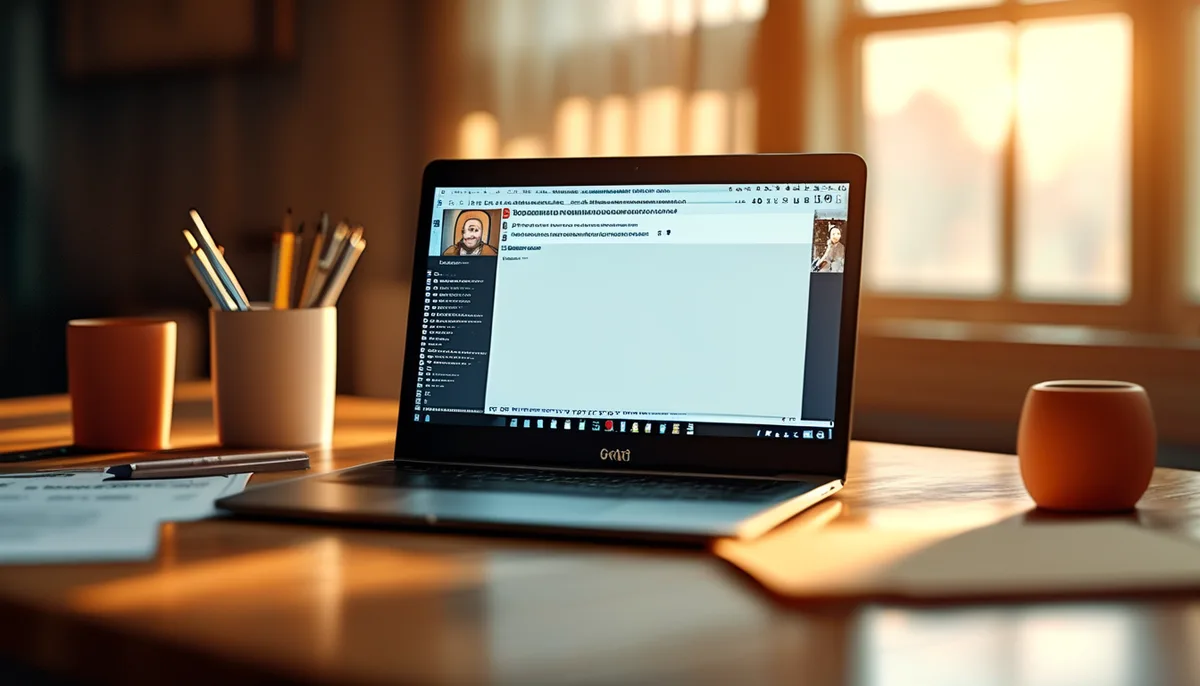
It also helps to read on a screen built for long attention. This is a reading publication, so we will say it plainly: a dedicated e-reader or a distraction-light reading app changes the math for long-form tech journalism, and we cover the trade-offs in our e-readers and apps guides. The device does not filter hype for you, but it removes the feed one tap away.
Finally, give yourself permission to be behind. Nothing in tech news expires in a day except the news itself. The analysis, the explainers, and the honest accounting of trade-offs will still be valid next week — and they are the parts worth your attention.
Where should a skeptical reader start?
If you are rebuilding from scratch, start with one daily digest, one weekly analysis newsletter in your area of interest, and one podcast. Run that mix for a month. Notice which pieces you finish, which you abandon, and which leave you able to explain something to someone else. That last test is the real one: if a source never leaves you able to say what happened and why it matters, it is entertainment or noise, and you should price it accordingly.
Then prune ruthlessly and repeat once or twice a year. Sources drift — outlets change owners, newsletters change cadence, podcasts change hosts. A diet that was balanced last year can quietly become a hype pipeline this year. The habit of the audit matters more than any particular list of sources, because the list will change and the habit will not.
The evidence for all of this is ordinary and observational rather than statistical: the incentives of attention-driven publishing are visible in the products themselves, and the fix is behavioral, not technical. What remains unknown is exactly how much reading volume any one person should carry — that depends on your work and your appetite, and no feed algorithm knows it better than you do. This connects to our earlier piece, How Much Should a Back-to-School E-Reader Cost?.