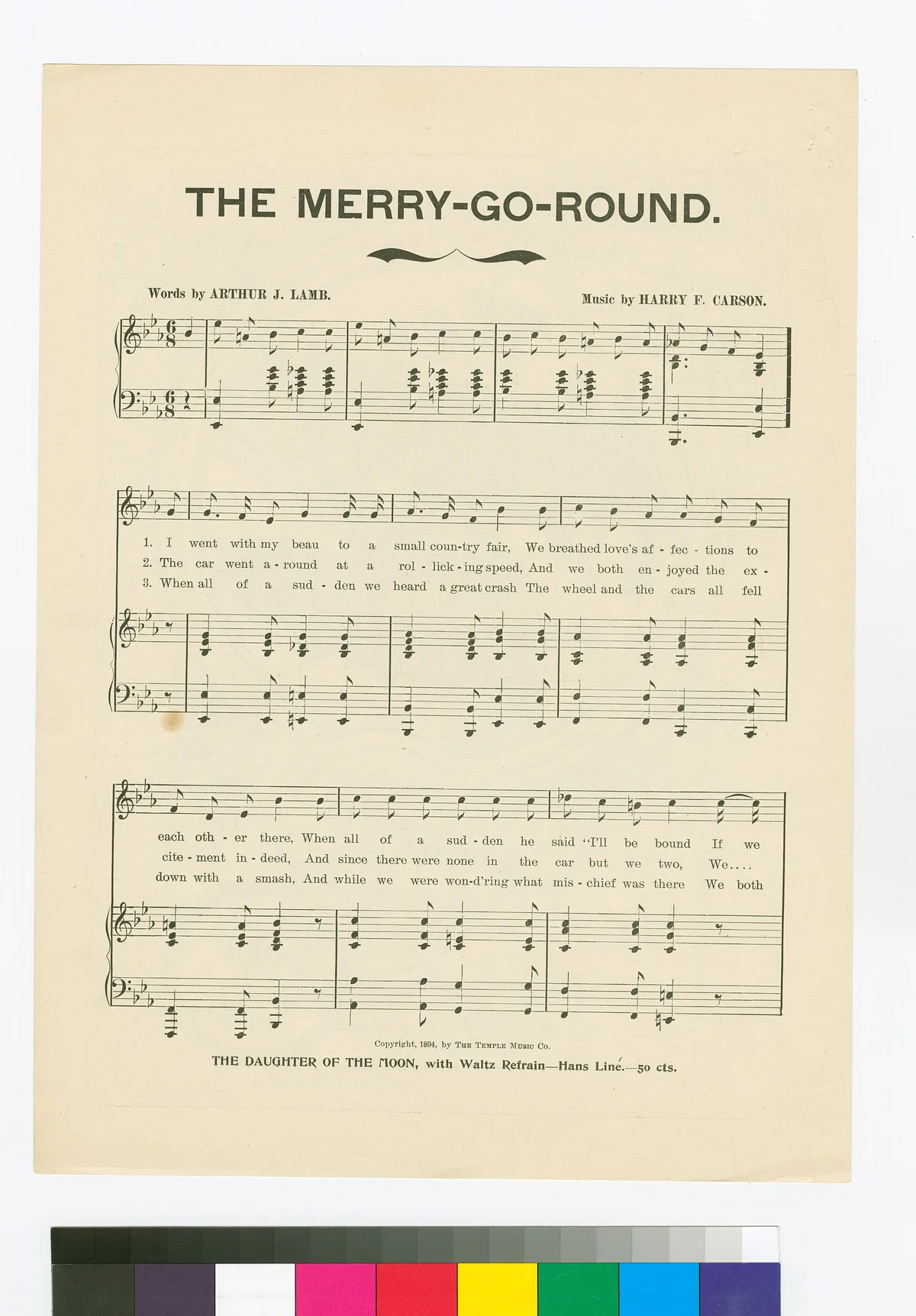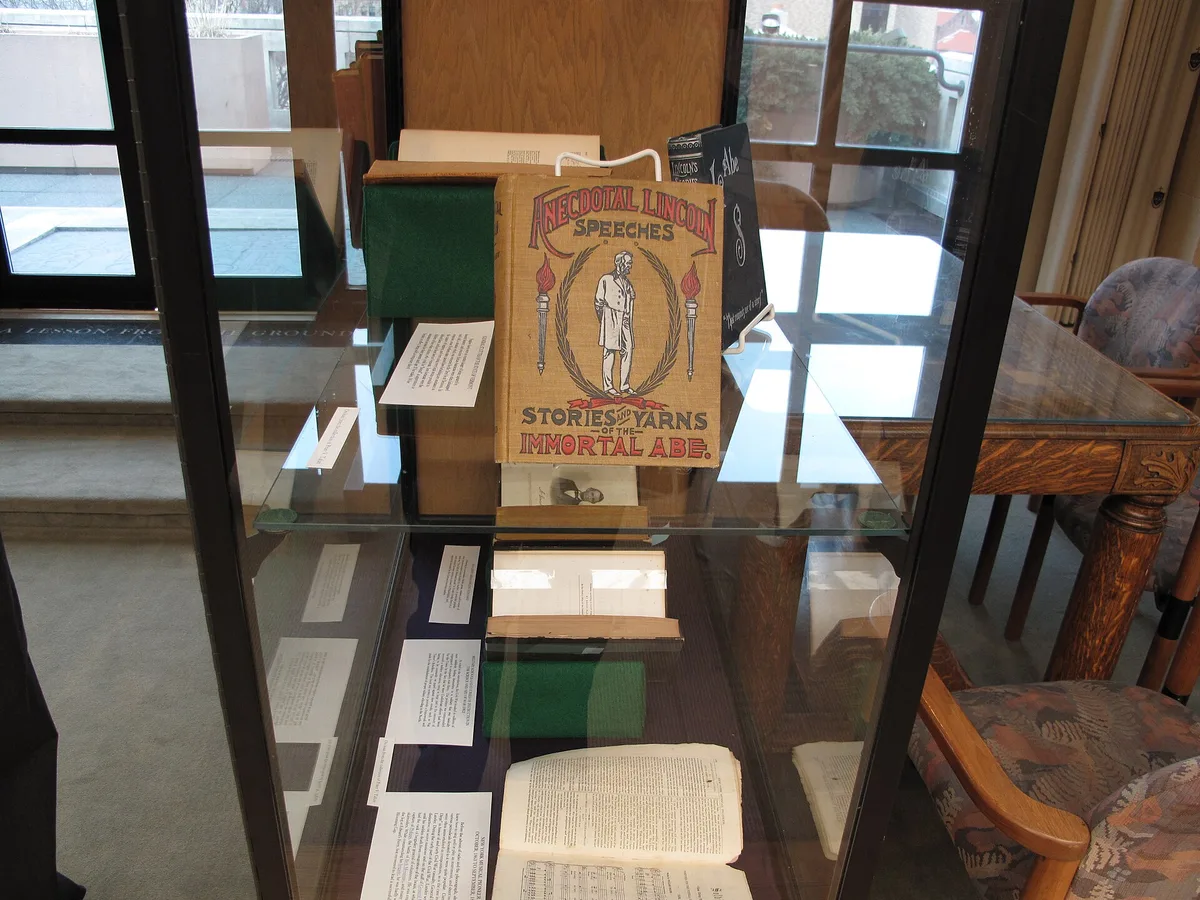
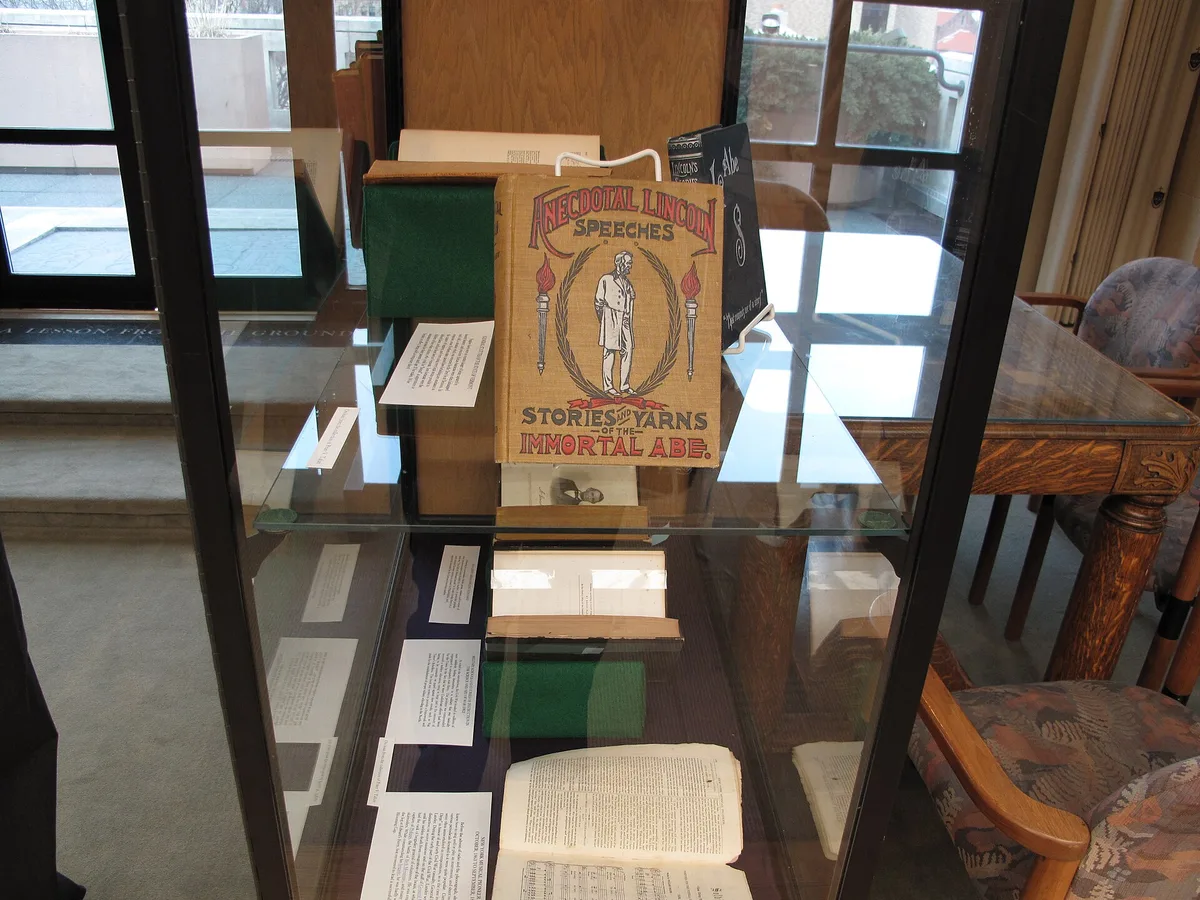
Why do we keep remaking art that already works? Because a cover is not a copy. It is an argument. The musician who re-records a standard, the novelist who retells a myth, the knitwear designer who riffs on a mid-century pattern — each is claiming that the original had more to say, and that a new voice can say it. That claim never goes out of date, which is why the cover story yarn keeps getting spun, in music, in books, and in fashion.
The answer in short: reworking endures because it lowers the risk for the audience and raises the stakes for the maker. The listener already knows the tune, so the only question is what the new artist does with it. That tension — familiar material, unfamiliar hands — is the engine.
This piece looks at how that engine runs across three fields, what the maker actually borrows, and what it means if you create things yourself. If you follow the business side of culture, our tech news coverage tracks how these cycles play out in publishing and devices too. We covered a connected angle in How to Read Tech News Without the Noise.
What does a cover actually borrow?
A cover takes the skeleton and leaves the skin. In a song, that skeleton is the chord movement, the melody, the emotional shape. Everything else — tempo, key, arrangement, attitude — is negotiable. The same is true when a designer reworks a classic cardigan. The silhouette and the stitch pattern carry the recognition. The yarn, the color, the fit carry the new statement.
This is why a weak cover feels so uncomfortable. It borrows the skeleton and adds nothing. A strong cover does the opposite: it keeps just enough of the original to be recognized, then changes the one thing that makes you hear it again. A slow song played fast. A ballad stripped to voice and piano. A heritage pattern reworked in a loud modern weight of wool.
The craft rule is simple to state and hard to do. Change something that matters. If your version could be swapped for the original without anyone noticing, you have not made a cover. You have made a photocopy.
Why do audiences keep showing up for retellings?
Familiarity is not laziness. It is a shortcut to feeling. When you already know the story, you do not spend attention on plot, so you spend it on interpretation. That is why doo-wop revivals keep finding new crowds decades after the original records. The audience arrives humming, and leaves arguing about which version is better. The argument is the product.
There is a second pull: identity. A new generation adopts an old form to claim it. A cover is how a scene says, this is ours now. Punk bands covered pop songs to strip them of polish. Acoustic singer-songwriters covered club tracks to find the ache inside the beat. In both directions, the borrowed material is the message.
And there is a third pull, less romantic: comfort under uncertainty. When the world feels unstable, audiences reach for known shapes. Reworked art offers the known and the new in one package. That is a hard offer for original work to beat, and it explains why reinterpretation surges in tense eras and quiets down in confident ones. Readers following this should also see How Do Ebook Royalties Actually Work for Indie Authors?.
The economics of the remake
The incentives are blunt. A reworking carries built-in recognition, which lowers marketing cost. The audience can be described in one sentence: people who liked the original. An original work has to build that description from nothing. This is why publishers, labels, and studios keep green-lighting retellings, and why the risk-averse version of the practice — the photocopy — keeps getting made despite everyone knowing it disappoints.
The same logic runs far outside the arts. Commerce riffs on proven models the way musicians riff on standards. Consider the distribution business: W.W. Grainger describes itself on its investor relations site as a broad line distributor serving more than 4.6 million customers, with 2025 revenue of $17.9 billion. Nothing about that model is new — industrial supply is one of the oldest trades there is. What changed is the wrapper: data, technology, and delivery layered over a very old idea. The company's own tagline, We Keep The World Working, is itself a rework of the plainest promise in the trade.
That is the durable lesson for any creative business. The oldest formats survive because they solve a real need; the winners are the ones that re-solve the need with better tools, not the ones that abandon the format. A cover story yarn succeeds the same way — old thread, new hands.
What this means if you make things
If you are an author, musician, or maker, the practice of reworking offers a few honest steps.
- Pick material with a load-bearing skeleton. Retell something whose structure people recognize even if they cannot name it. A folk tale, a standard, a classic garment shape.
- Choose one deliberate change. Point of view, medium, scale, or tone. One meaningful change reads as vision. Five read as noise.
- Name your debt. Audiences forgive borrowing; they punish hiding it. Attribution is part of the craft, and in publishing it is often a legal requirement too — our guide to publishing basics covers where those lines sit for indie authors.
- Test against the photocopy test. Could a listener or reader swap your version for the original and notice nothing? If so, keep working.
One caution worth stating plainly. Reworking is not a shortcut around skill. The familiarity of the material raises expectations rather than lowering them, because the audience arrives with a benchmark in their head. You are not competing with silence. You are competing with the best version your audience already knows.
Why the form will outlast us
Every generation inherits a canon it did not choose and a set of tools the canon's makers never had. Reworking is the meeting point. It is how a culture digests its own past, and how new artists get a hearing in a crowded market without starting from zero. The doo-wop revival, the retold myth, the reworked cardigan, the re-engineered supply business — all are the same move at different scales.
What the evidence here establishes is the mechanism: recognition lowers audience risk, deliberate change creates the reason to care, and honest attribution keeps the practice legitimate. What it does not establish is a formula for picking which original will reward reworking next. That remains a judgement call, and it is the part no data set has replaced. The safest summary is the oldest one: learn the standard, then say something with it.
The cover endures because it is a conversation, not an echo. The original speaks first. The rework answers.