A good back-to-school e-reader budget in August is roughly $110 to $130 for a mainstream 7-inch model: during the August 2025 season, the Kindle Paperwhite dropped to $124.99 at Best Buy ($35 off) and to $109.99 in other roundups — about $30–35 below its list price, per The Verge and Good e-Reader deal coverage, August 2025. Those are last year's documented numbers, and the honest way to use them is as anchors, not promises: the 2026 season's job is to test whether the pattern holds.
Why does August even have e-reader deals?
Two overlapping cycles. Mid-summer sales in July reset prices and clear inventory; back-to-school retail in August picks up the leftovers, and retailers with education-facing traffic — Target ran Kindle promotions for back-to-school in 2025, including tax-free-week tie-ins in states like Florida, per community deal reports — keep the discounts shallow but real. The result is a reliable shape: deepest cuts in July, modest cuts in August, and a return to list price by September as holiday positioning begins. If you are reading this in August, you are in the shallow-but-real window.
What did the 2025 season actually establish?
- Kindle Paperwhite: $109.99–$124.99 at the low points, per The Verge and Good e-Reader, August 2025 — roughly 20–22% off a ~$160 list.
- Entry Kindles: from $59.99 in back-to-school roundups, per Good e-Reader, 2025.
- Kids editions: documented around $269.99 for a premium Kids model in August 2025 pricing pages, per IGN's deals overview.
- Student extras: some Prime Student members reported stacked codes in 2025 bringing specific models far lower — treat any code as unverified until it applies in your own cart.
How do you judge a 2026 deal without 2026 data?
Anchor, then discount. Take the current list price on the manufacturer's own store page — Amazon for Kindle, Rakuten Kobo for Kobo, Barnes & Noble for Nook — and apply the historical pattern: a real August deal on a mainstream e-reader lands in the 20–25% range; anything deeper is clearance, a bundle, or a soon-to-be-replaced model. Kobo and Nook follow the same retail calendar with less noise: Kobo's Clara-class readers and Nook GlowLight devices saw late-summer discounts in 2025 through kobo.com and big-box retailers. If a 2026 price beats the 2025 anchor by a wide margin, check what changed — usually the model, not the generosity.
What should a student actually buy?
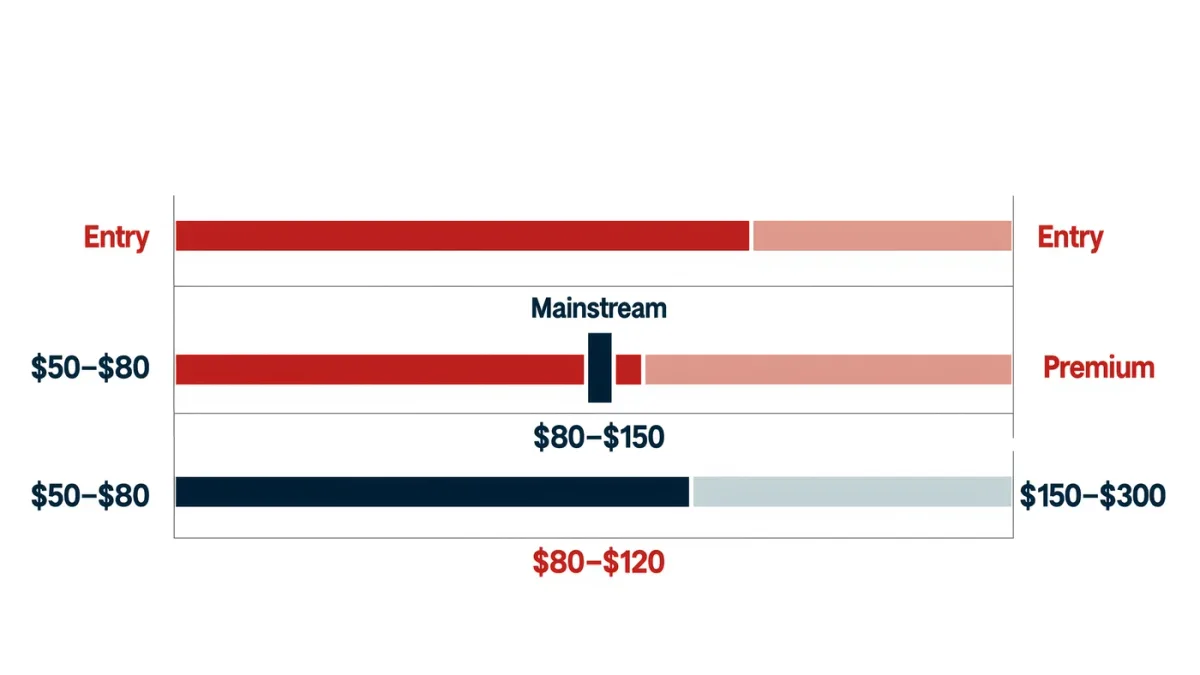
- Set a ceiling from the 2025 anchors: ~$60 for a basic reader, ~$125 for the mainstream tier, more only for note-taking hardware.
- Verify the list price on the manufacturer's page before trusting any percentage-off claim.
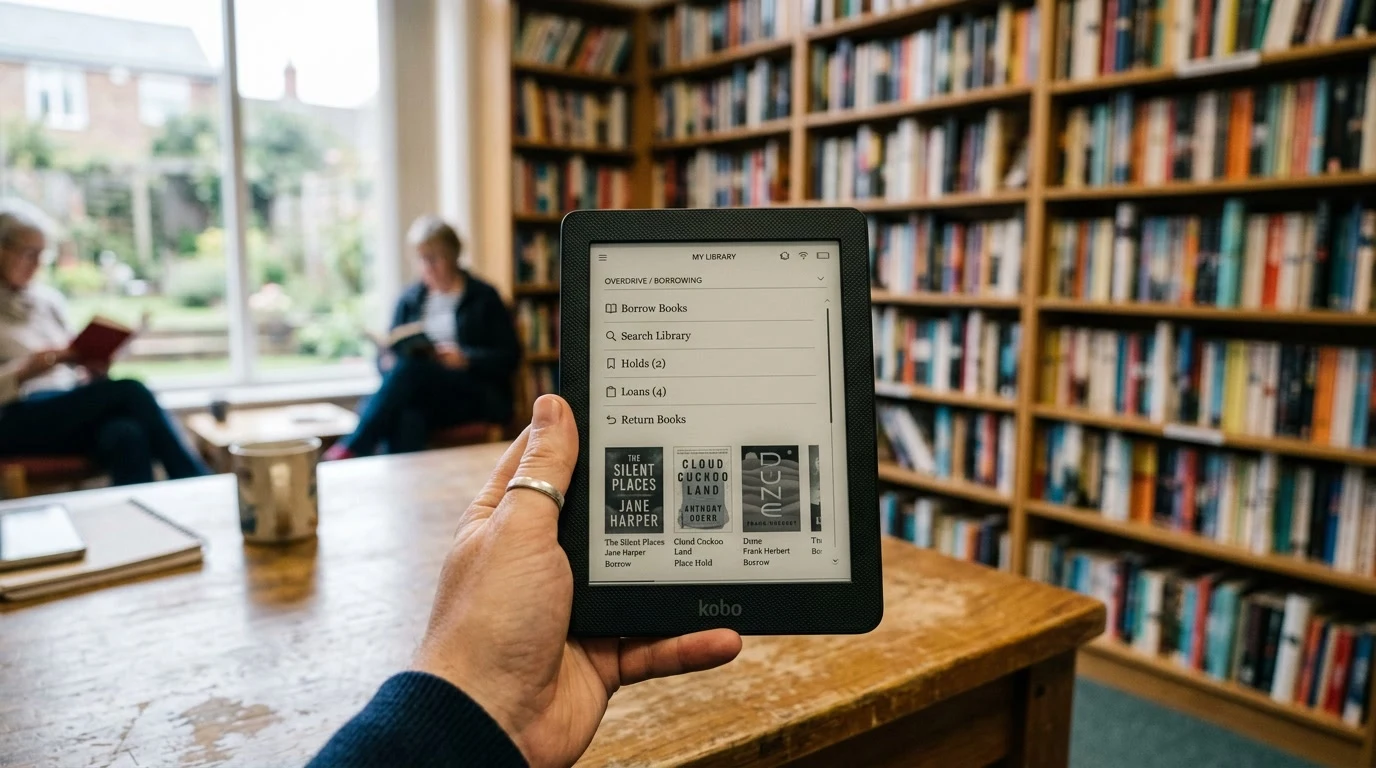
- Check your library's platform first — if it runs on OverDrive/Libby, a Kobo integrates borrowing natively; if it is hoopla-heavy, an Android e-reader or a phone is the realistic path.
- Ask about education discounts and tax-free weeks at the register; retailers apply them unevenly.
- Ignore countdown timers. August discounts are periodic, not once-a-year.
Which features are worth paying up for as a student?
Three, and only three. A front light — without it, dorm reading after lights-out is over — and warm-light adjustment is a comfort upgrade rather than a necessity. Waterproofing, if your reading happens near pools, beaches, or just a bathtub; check the manufacturer's rating rather than the marketing word. And storage matters only if you load comics, PDFs, or audiobooks; 16 GB holds more text than a degree requires. Skip paying premium for note-taking hardware unless your courses genuinely demand PDF annotation, because a stylus e-reader is a different product category with a different price anchor. Color screens remain the weakest value for pure text reading — useful for highlighted documents, muted for everything else, and priced accordingly.
What is the realistic bottom line for August 2026?
Expect the same structure as 2025: mainstream e-readers hovering a quarter below list, entry models near $60, and premium note-takers barely discounted because they rarely need to be. The 2025 numbers above are the calibration — if this August's prices sit inside that envelope, buy when the model fits; if everything sits above it, wait for the post-back-to-school lull, when retailers quietly reset. The students who pay the least are never the ones who catch a flash sale; they are the ones who knew the anchor price before the banner appeared.