Topic
Bookerly, Literata and OpenDyslexic: How Reading Fonts Differ
Bookerly, Literata and OpenDyslexic were built for three different jobs, and the design history explains which one fits your reading.
Bookerly, Literata and OpenDyslexic were built for three different jobs, and the design history explains which one fits your reading.
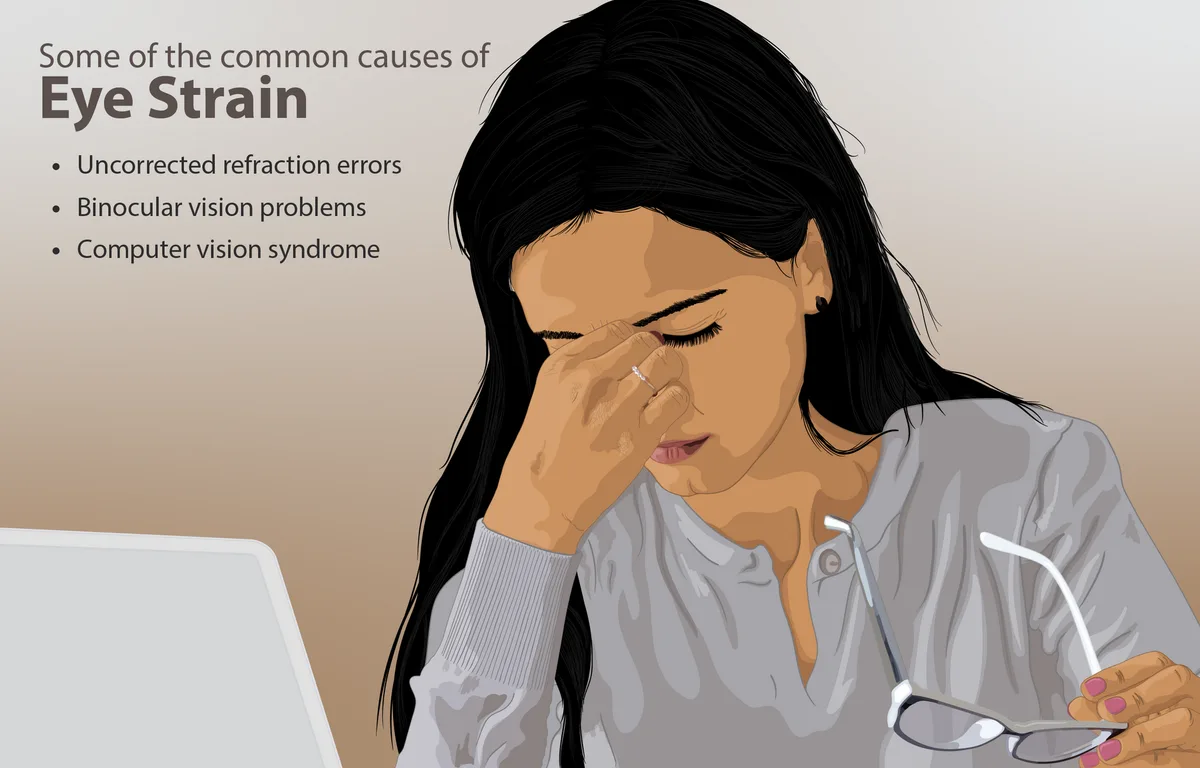
Screen settings, warm light, fonts, breaks, and posture — what actually helps when a reading session runs long.

A hardware giveaway plus US$30,000 in training money, aimed at reading text, identifying objects and getting around.
Two store ecosystems, two very different long-term bets. Here is how the trade-offs actually shake out.

Kobo, PocketBook, Boox and the rest of the non-Kindle field, sorted by how you actually read rather than by spec-sheet noise.
Libby works differently on every major e-reader. Here is the honest map, including the Kindle workaround and the devices that skip the app entirely.
A calmer diet of sites, newsletters, and podcasts is possible — if you match each source to the job you actually need it to do.
The word gets used loosely. Here is what it means, how it differs from usability and inclusion, and why the distinction matters for readers and authors.
Some of Apple's most useful features sit in a menu most people never open.

An E Ink reader sips power while you read and gulps it everywhere else. Here is where the charge actually goes, and the habits that stretch it.