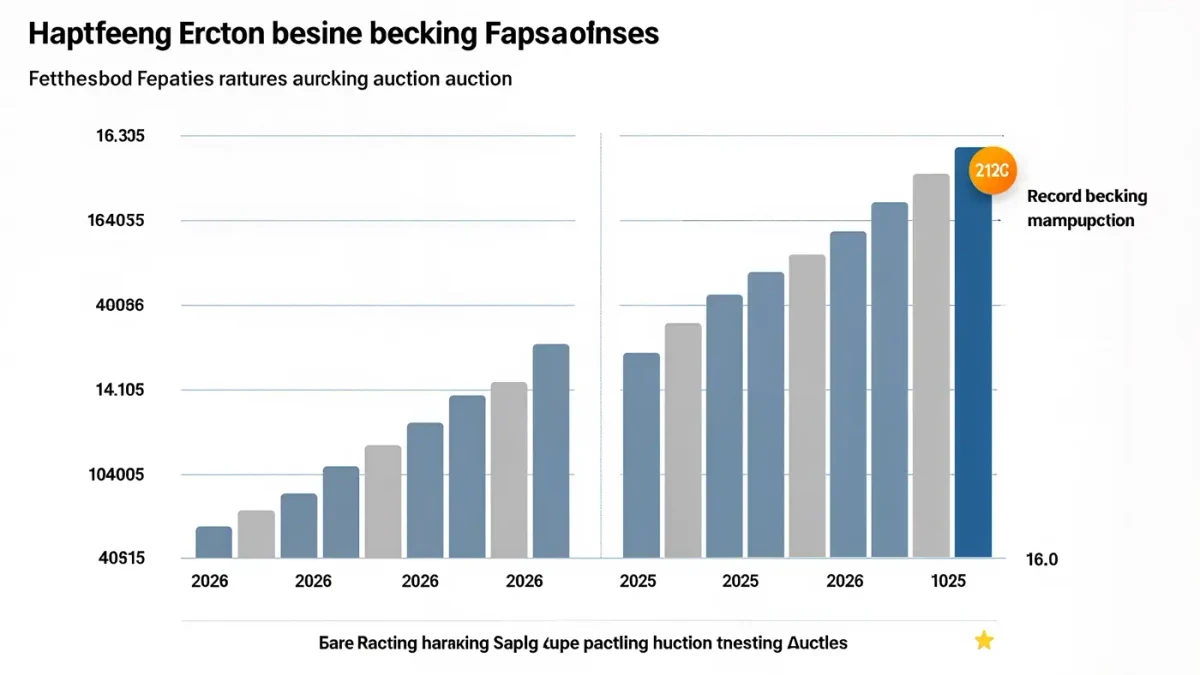
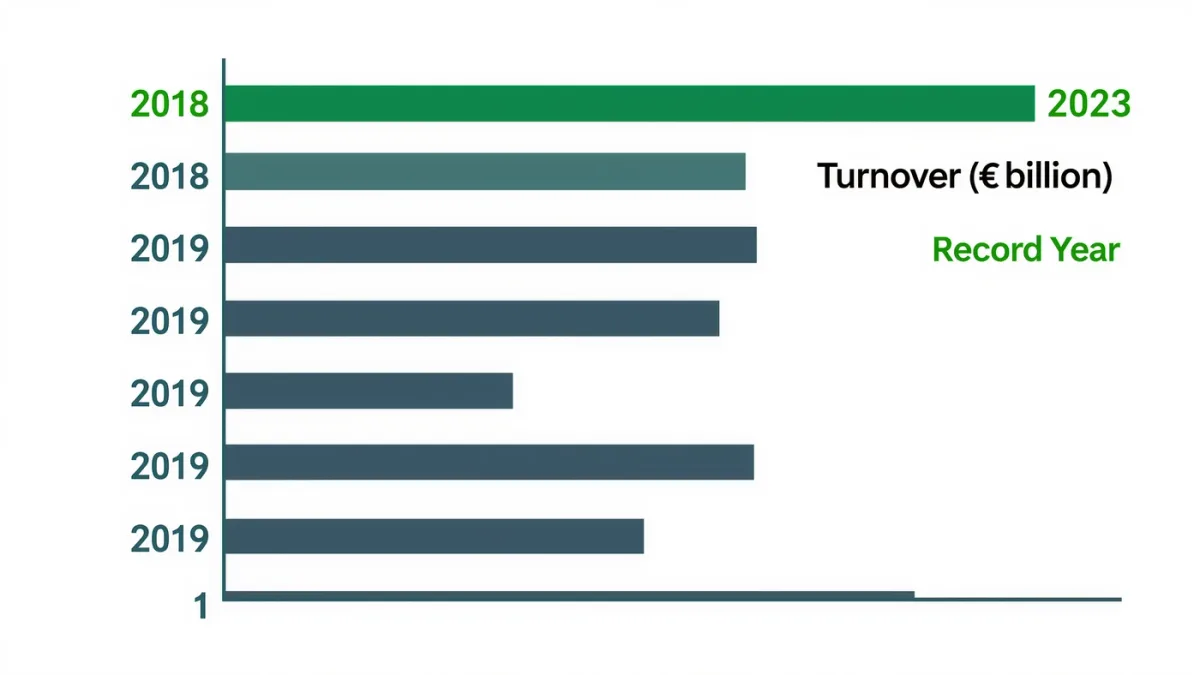
The European book market hit its highest-ever nominal turnover in 2024: €24.9 billion (about USD 29 billion), surpassing the previous 2007 peak, per the Federation of European Publishers' statistics presented ahead of the Frankfurt Book Fair in October 2025. Excluding the UK, turnover was €15.5 billion. For anyone who reads digitally in Europe, the report is good news with a blurry edge — the headline is record-setting, while the ebook-specific breakdown deserves a careful look.
What exactly was reported?
Per the International Publishers Association's summary of the FEP figures, October 2025, the €24.9 billion figure covers combined print and digital sales across FEP member associations, with 2024 marking the strongest nominal year on record. The FEP presents these European Book Statistics annually, and the 2025 edition — covering 2024 data — is the first to beat the pre-e-reader-era peak of 2007 in nominal terms. Context matters: nominal records partly reflect inflation, and the FEP's own presentation flags that excluding the UK reshapes the picture significantly, from €24.9 billion down to €15.5 billion.
What does the report say about ebooks specifically?
Less than the headlines suggest. The widely reported figure is total market turnover; the FEP's detailed format-level splits live in the full statistical report, and the summaries published in October 2025 did not surface a single Europe-wide ebook revenue share. What independent market analysts add is direction rather than an official number: Mordor Intelligence valued the global e-book market at about USD 18 billion in 2025, with Europe accounting for roughly USD 5 billion, per its 2025 market analysis. That would put digital trade reading in the low double digits as a share of Europe's book economy — plausible, consistent with national reports from larger markets, but not a figure the FEP headline itself establishes.
Why does a record print-plus-digital number matter to digital readers?
- Publisher health: a record total softens the narrative that digital borrowing and subscription services are hollowing out the industry.
- Pricing power: healthy turnover historically supports stable ebook pricing — the era of deep ebook discounting is long gone.
- Library and subscription budgets: national digital-lending programs expand when the underlying market grows, as several European library services did through 2025.
- Small-language markets: the €15.5 billion ex-UK figure is the one to watch for publishers in smaller language markets deciding whether to invest in digital workflows.
What should you take from the €24.9 billion figure?
Europe's book economy is larger than it has ever been in nominal terms, and digital reading is a real, growing slice of it — but the FEP headline does not by itself tell you how large. Treat the 2025 report as the market's annual temperature check: record turnover, digital growth confirmed in direction by independent analysts, and the precise ebook share left to the full tables. When FEP members publish their 2026 edition with 2025 data, the format split is the number worth waiting for — that, not the record, is what will tell e-reader owners where European digital reading goes next.