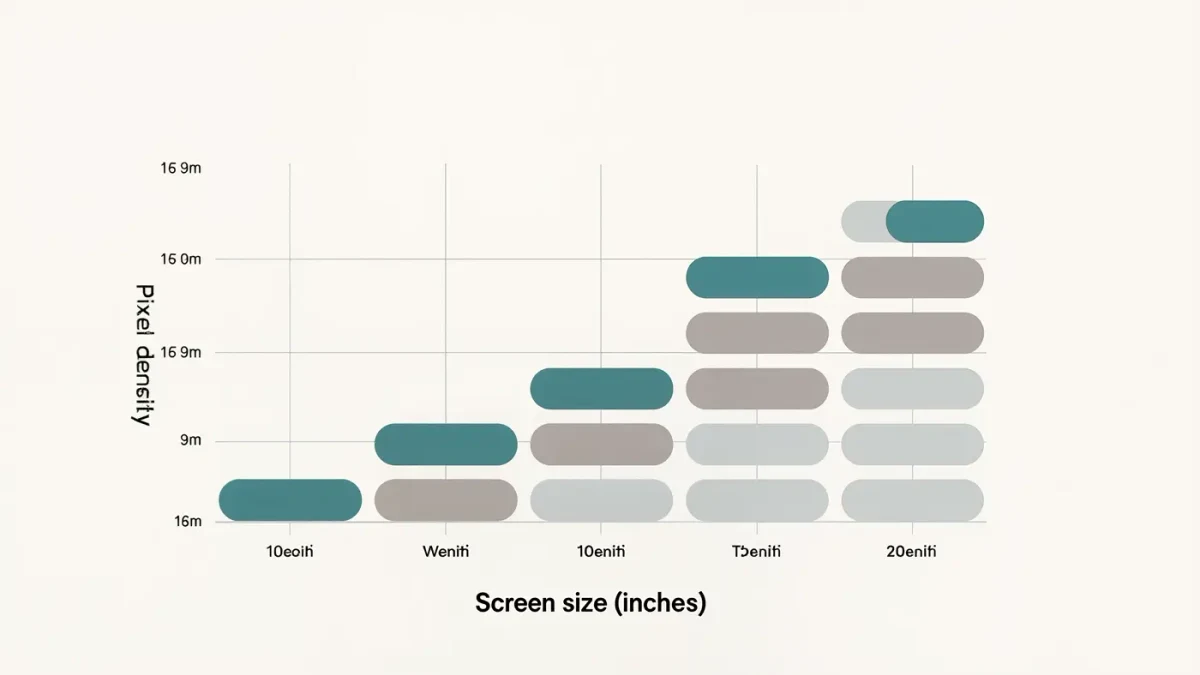

Color E Ink is growing, but not where most readers assume: global shipments of color e-paper photo frames passed 30,000 units in 2025, making them one of crowdfunding's hottest hardware categories, per a SEEKINK market insight distributed by PRNewswire, 2025, while leading e-paper makers grew roughly 12.3% year-on-year in 2025, per VetoLCD's manufacturer overview, 2025. The uncomfortable detail for e-reader fans: full-color reading panels remain the slowest part of that story.
Which color technologies are we talking about?
E Ink's color portfolio splits three ways, and the differences explain the shipment numbers. Kaleido 3 layers a color filter over a monochrome e-paper base — affordable, used in current color e-readers, but muted colors and lower effective color resolution. Gallery 3 uses four-particle CMYW chemistry for fuller color without a filter, at the cost of refresh speed. Spectra 6 targets retail signage with RYBW particles and rich poster-quality output. Each platform serves a different buyer, per technical comparisons of the three systems, 2025 — and the buyers voting with volume are signs and frames, not readers.
Why hasn't Gallery 3 conquered e-readers?
Money and physics. E Ink spent more than USD 100 million developing Gallery 3 for digital reading, per Good e-Reader's reporting on the platform, yet adoption in actual e-readers has stayed thin: refresh behavior and cost have kept mainstream manufacturers on Kaleido or monochrome Carta panels. That is the central fact of the color e-reader market as of early 2026 — the flagship color technology exists, is impressive in demos shown at CES 2025 and Display Week 2025, per E Ink's showcase appearances, and still ships in only a handful of reading devices.
Where is the growth actually happening?
- Digital signage: Spectra-class panels for retail shelf labels and posters — high volume, business buyers, no refresh-rate complaints that matter.
- Color photo frames: the crowdfunding breakout, per the 30,000-unit 2025 figure — consumers, but buying frames, not libraries.
- Color note-takers: Kaleido 3 tablets for annotation and documents, where color matters for highlighting even at muted saturation.
- Color e-readers: growing, but from a small base and mostly at the premium end of the market.
What does this mean if you are buying an e-reader?
Two practical takeaways. First, do not wait for a cheap full-color reading panel: the economics that slowed Gallery 3 adoption have not changed, and the color devices you can actually buy in 2026 are Kaleido-class, best for covers, comics at moderate expectations, and highlighted documents rather than photography. Second, treat color as a document feature, not a book feature — the strongest current use of color e-ink is marking up PDFs and notes, where a hint of color earns its keep even without saturation.
How did we get here — a short history?
Color e-paper in consumer readers has been promising since E Ink launched Gallery 3 in April 2022 as its full-color platform for sustainable digital reading, per the original Business Wire announcement. The years since followed a pattern: monochrome panels kept improving contrast and speed on shipping devices, color variants arrived a generation behind on both, and each demo cycle at CES and Display Week — including the 2025 showcases — produced cameras-full-of-photos enthusiasm followed by cautious product portfolios. The photo-frame boom of 2025 is the first category where consumers embraced color e-paper at volume, which suggests the technology's winning formula is static images with slow refresh — exactly what frames need and exactly what readers cannot tolerate.
How should you read e-paper shipment statistics?
With three cautions. Aggregate growth numbers mix signage, retail labels, frames, and reading devices into one percentage — a 12% category rise can hide a flat reader segment behind a strong signage quarter, which is why per-segment figures matter more than headlines. Second, watch the source: manufacturer overviews and crowdfunding-market insights are useful direction but rarely audited, and a figure like the 30,000-unit frame count counts crowdfunded shipments, not retail sell-through. Third, dates lag: shipment data published in 2025 typically describes 2024–2025 factory output, so by the time a trend is legible in statistics, the product cycle has usually moved on. The practical reader takeaway: use shipment data to understand the industry's direction, and use spec sheets — panel generation, refresh mode, price — to judge any individual device you are actually holding money for.
What would signal a real shift?
Watch for three things through 2026: a mainstream e-reader brand committing to Gallery-class panels at consumer prices; Kaleido 4 or successor announcements from E Ink with resolution improvements; and shipment data that separates reading devices from signage — the aggregate growth numbers flatter the category more than readers should accept. Until one of those happens, the honest read of the data is: color e-paper is winning, just not for books yet.