The best free e-books come from four lawful places: public-domain archives like Project Gutenberg and the Internet Archive's Open Library, open-access collections from universities and libraries, official free tiers from publishers and platforms, and your public library's digital lending. Project Gutenberg alone has offered tens of thousands of public-domain titles for decades, and it isn't close to the only option — university-maintained indexes such as the University of Pennsylvania's Online Books Page catalog freely readable books across many archives. What follows is where each source excels, and the habits that keep your free library lawful and well-stocked.
What do public-domain archives do best?
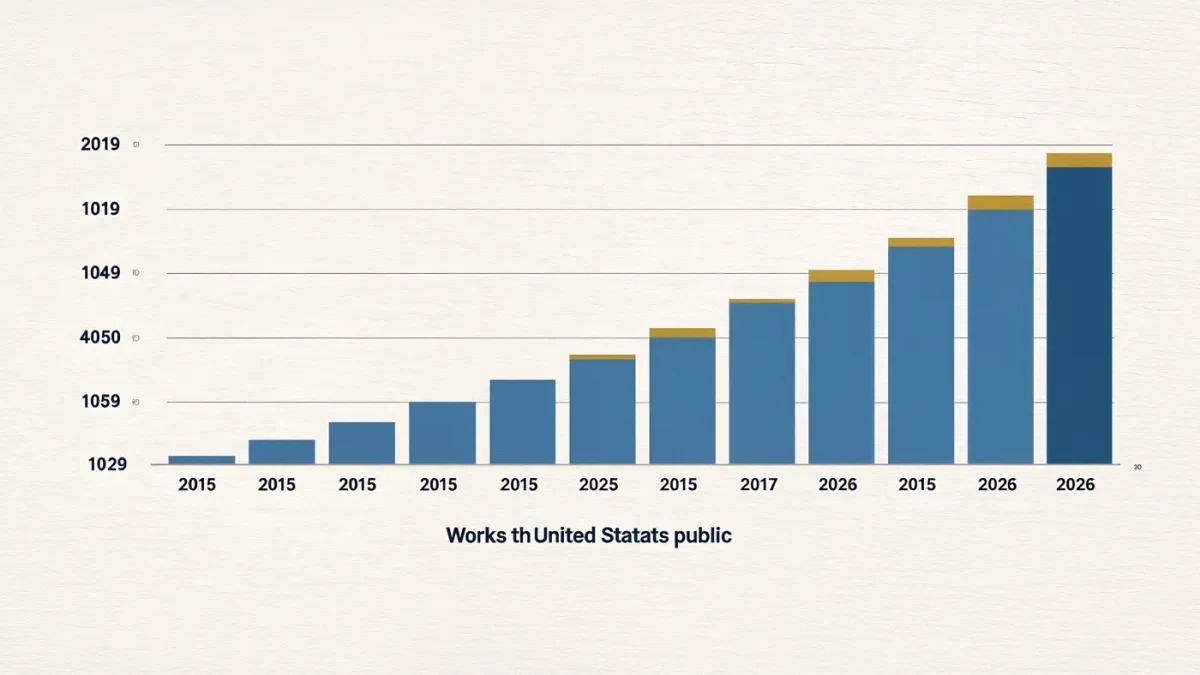
Classics, and lots of them. Works published long enough ago — in the United States, generally anything published before 1929 as of 2025 — have entered the public domain, meaning no one owns them and anyone may distribute them. Project Gutenberg offers these as clean EPUB and Kindle files, hand-proofed by volunteers; the Internet Archive digitizes far wider collections, including lending access to newer works through its controlled digital lending model, which has faced publisher litigation — so treat its newer offerings with awareness that the legal landscape around them has been contested. Wikisource and HathiTrust's public-domain holdings round out the set. The catch is format age: scans of old books sometimes carry OCR errors; prefer proofread text editions when quality matters.
What about open access and institutional collections?
Universities, libraries, and government institutions publish enormous free collections. The Library of Congress digitizes and shares vast holdings; university presses and repositories increasingly release open-access e-books, especially in scholarship and nonfiction. NASA and other federal agencies publish freely as a matter of policy, since U.S. government works aren't copyrighted. For readers, this category is the quiet champion of nonfiction: history, science, and reference material that never would have shown up in a bookstore promotion.
Which official free tiers are worth watching?
- Amazon's free and promotional tiers: a rotating selection of free classics and perma-free self-published titles, plus Prime Reading for subscribers.
- Standard Ebooks: a volunteer project that takes public-domain works and re-typesets them into beautifully formatted, modern EPUBs — the fix for Gutenberg's occasionally plain formatting.
- Author and publisher newsletters: many indie authors permanently price the first book in a series at zero; a lawful, sustainable free-taste channel.
- Feed-style trackers: several sites merely list promotional freebies at the major stores — the purchases still happen on the store's own servers, which is what keeps it legitimate.
How does the public library fit in?
As the single best free source of current, popular titles. Digital collections through platforms like Libby/OverDrive and hoopla let library cardholders borrow e-books for limited periods at no cost, funded like the rest of the library. The trade-offs are real: bestseller waits can run weeks, selection depends on your library's budget, and publishers license e-books to libraries on expiring, per-use terms — but for anything published in the last few years, the library beats every archive on this list. If you aren't a member, this is the highest-value half hour a reader can spend signing up.
Which format should you download from free sources?
EPUB, almost always, when the source offers it — it's the open, reflowable format that every non-Kindle platform and most reading apps handle natively, and it's the format the Library of Congress lists among recommended formats for digital publications. Kindle users historically needed MOBI or a conversion step; with modern Kindles supporting EPUB delivery through Amazon's send-to-Kindle services, per Amazon's documentation, EPUB is now the sensible single download for essentially everyone. Choose plain-text or HTML editions only when a collection doesn't offer EPUB — they convert cleanly but lose formatting. And when a source offers both "with images" and plain editions, check the images edition's file size first; a proofed text edition of a Victorian novel reads better than a 40 MB scan on a six-inch screen.
How do you get the files onto your reader?
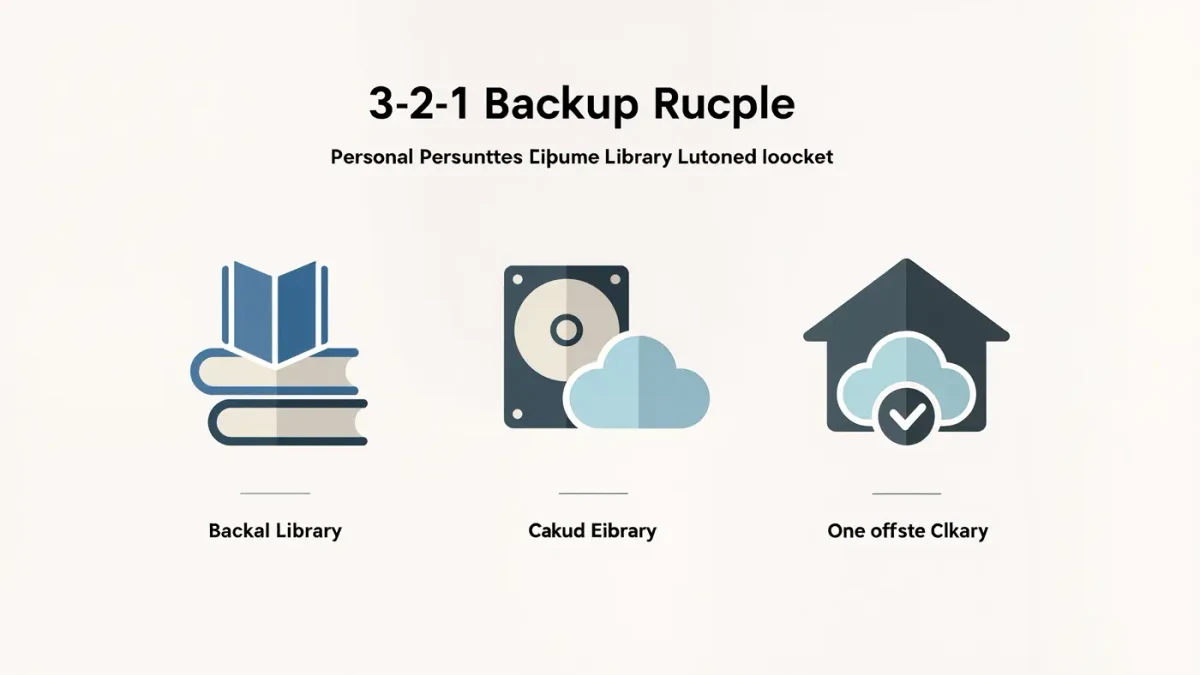
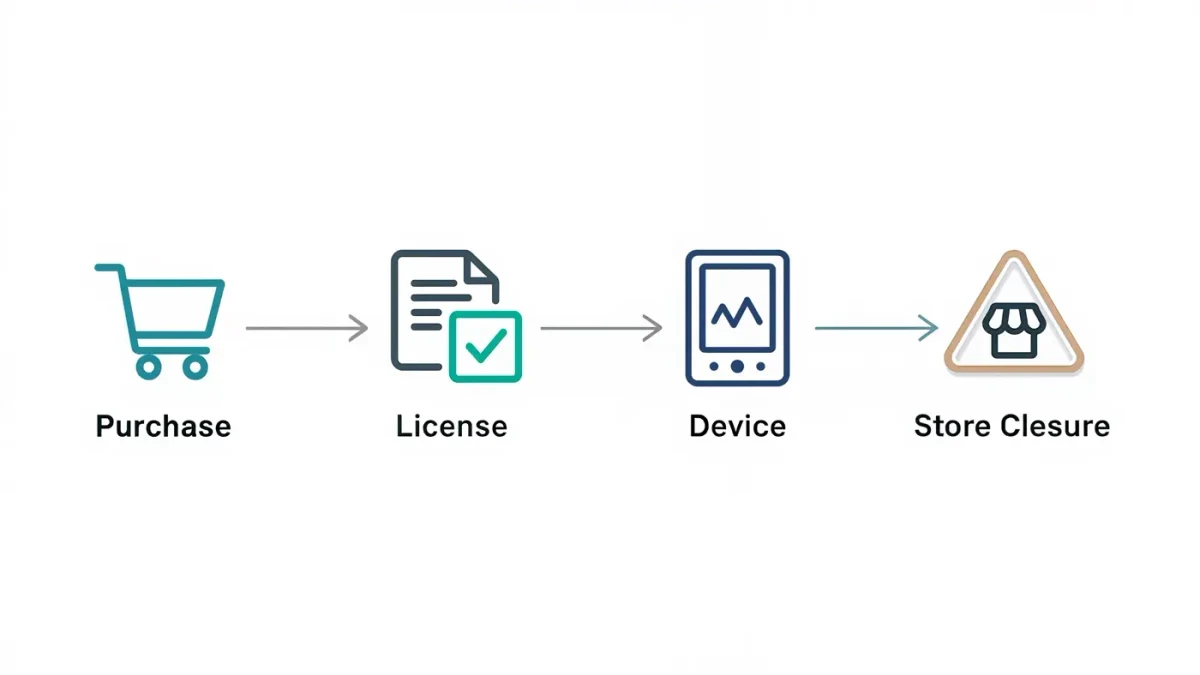
By the same routes as any personal file. For most devices, plug in USB and copy, or use a send-to-device service — Amazon's send-to-Kindle options, Kobo's and PocketBook's file-transfer and cloud features, all documented by their makers. For bigger collections, Calibre manages the shelf: it converts formats where needed, sends to devices, and keeps metadata tidy, per its documentation. A reader who downloads from Gutenberg and the library regularly will have the best experience with a small routine — one download folder on the computer, one drag or send action, and the e-reader treats the free book exactly like any other personal file. Back up that download folder like any library, too: public-domain archives are stable, but store-hosted freebies can vanish when a promotion ends, and a file you saved is a file you keep.
How much free reading is actually out there?
More than a lifetime. Project Gutenberg alone has offered tens of thousands of public-domain titles for decades and keeps adding; Standard Ebooks grows its polished catalog steadily; library lending adds current titles as budgets allow. The scarce resource is never supply — it is knowing which source serves tonight's mood. Bookmark two archives and one library app, ignore the rest, and the free shelf behaves like any good library: not infinite, merely larger than the time you have.
What are the red flags for unlawful sources?
A few patterns reliably mark a site as not legitimate: current commercial bestsellers offered as direct downloads with no license arrangement, requests to install special downloaders, and mirrors of paywalled store catalogs. The lawful sources above are all either public domain, openly licensed, library-licensed, or store-hosted promotions. When a deal seems too good — every new release, free, forever — the site is counting on you not asking that question. Stay with the named archives and your library, and the free shelf stays both full and clean.