Hang around e-books long enough and you will meet a delicate topic: software built to strip DRM locks from files. People ask about it for many reasons. Some want to back up books they paid for. Others want to read on any device they own. The tools exist, but the law around them is strict, and it varies by country.
This article is a plain-English map of that legal landscape. It explains what these tools are, how the locks they target work, and where the law draws the line. It is background information, not legal advice. If you face a real legal question, ask a lawyer who knows your local rules.
What These Tools Are
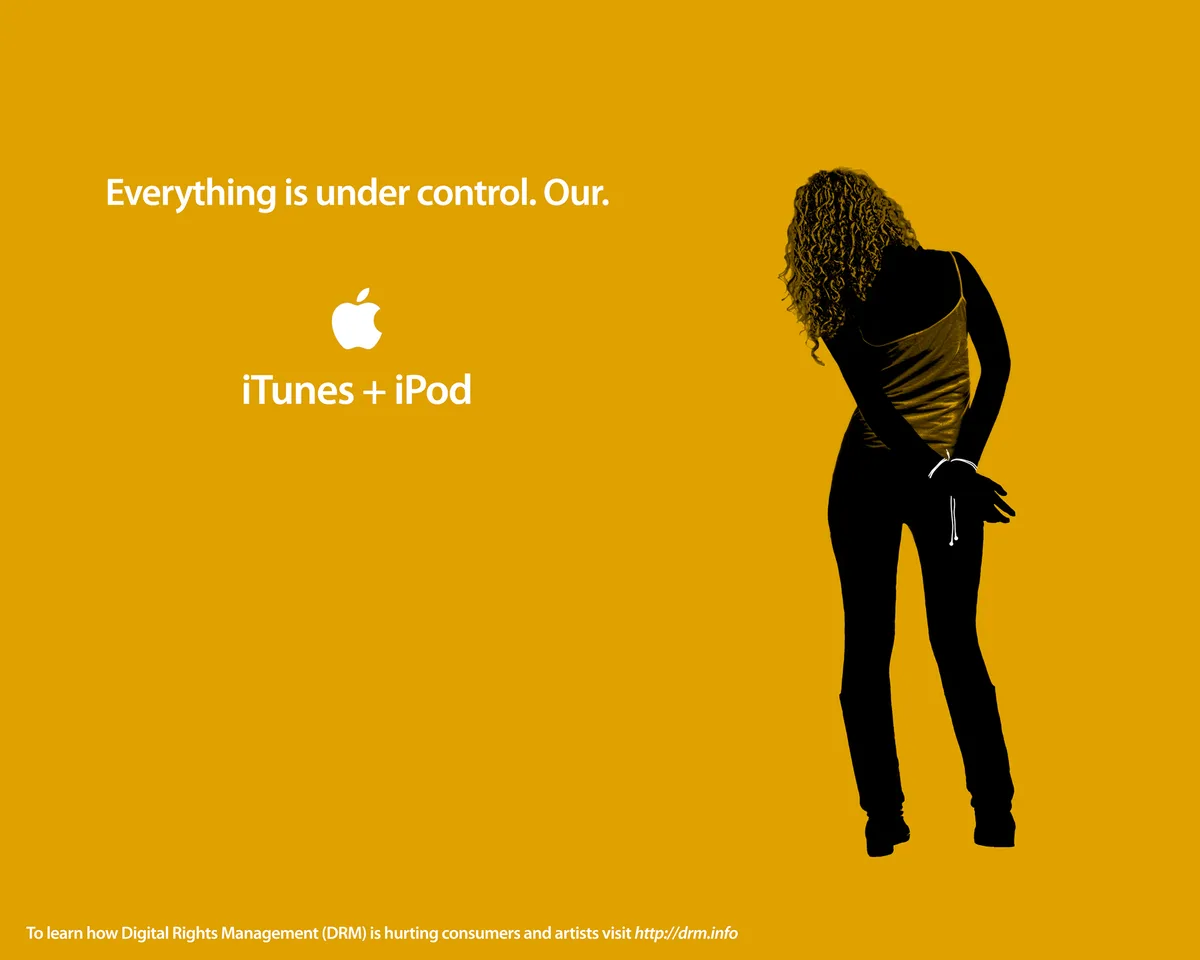
DRM removal tools are software built to bypass the locks on protected files. Per Wikipedia, DRM itself is the management of legal access to digital content. It relies on measures such as access control technologies, licensing agreements, and encryption. A removal tool takes a locked file and produces a copy without those controls. That act is called circumvention.
The law covers more than the tools themselves. Laws in many countries criminalize the circumvention of DRM, communication about such circumvention, and the creation and distribution of tools used for it, per Wikipedia's DRM overview. Even talking about how to do it can fall under these rules.
How the Locks They Target Work
A locked e-book is more than text. DRM technologies govern the use, modification and distribution of copyrighted works. Encryption can scramble a file so that only licensed apps can open it. Licensing terms decide which device or account may read it. Together, these measures tie a book to the store that sold it. For related coverage, see KDP Select or Wide Distribution: Which Math Works for Your Indie Ebook?.
A removal tool attacks that chain. It works around the access control so a file opens without the store's app or account. Describing that in general terms is easy. Doing it, or sharing tools that do it, is where the law steps in.
The Law in the United States
The key law is the Digital Millennium Copyright Act. Per Wikipedia, the DMCA is a 1998 United States copyright law that implements two 1996 treaties of the World Intellectual Property Organization. It criminalizes production and dissemination of technology, devices, or services intended to circumvent measures that control access to copyrighted works.
The act goes further than the tools. It also criminalizes the act of circumventing an access control, whether or not there is actual infringement of copyright itself. Per Wikipedia's DMCA entry, a person can break this law without copying or sharing a single book. Bypassing the lock alone is the offense.
The Law in Europe and Beyond
The United States is not alone. Wikipedia notes that such laws are also part of the European Union's Information Society Directive. Member states fold it into their own law, and France's DADVSI is one example. The pattern repeats around the world: many countries treat DRM circumvention as its own offense, separate from copyright infringement. We covered a connected angle in What the European Accessibility Act Means for Indie Ebook Authors.
The Narrow Exceptions
The law does leave a few doors open. The DMCA as passed contained some basic fair use allowance such as for limited reverse engineering and for security research, per Wikipedia. Lawmakers also created a rulemaking process through the United States Copyright Office. It reviews the state of copyrights and fair use, and it approves limited classes of allowance that count as lawful uses of circumvention technology.
These exceptions are narrow and technical. They are granted for defined classes of work, not for the general public. A reader who wants a DRM-free copy for convenience will usually not fit inside them. Rules also differ by country, so what is tolerated in one place may be an offense in another.
Conclusion: Know the Line Before You Cross It
DRM removal tools are easy to describe and risky to use. The locks protect a business model, and the law defends the locks themselves, not only the books behind them. In the United States and many other countries, bypassing an access control is an offense in its own right, with only narrow exceptions carved out. The simple path is to buy from stores that sell DRM-free files, enjoy the access you have paid for, and leave the lock picking to nobody.