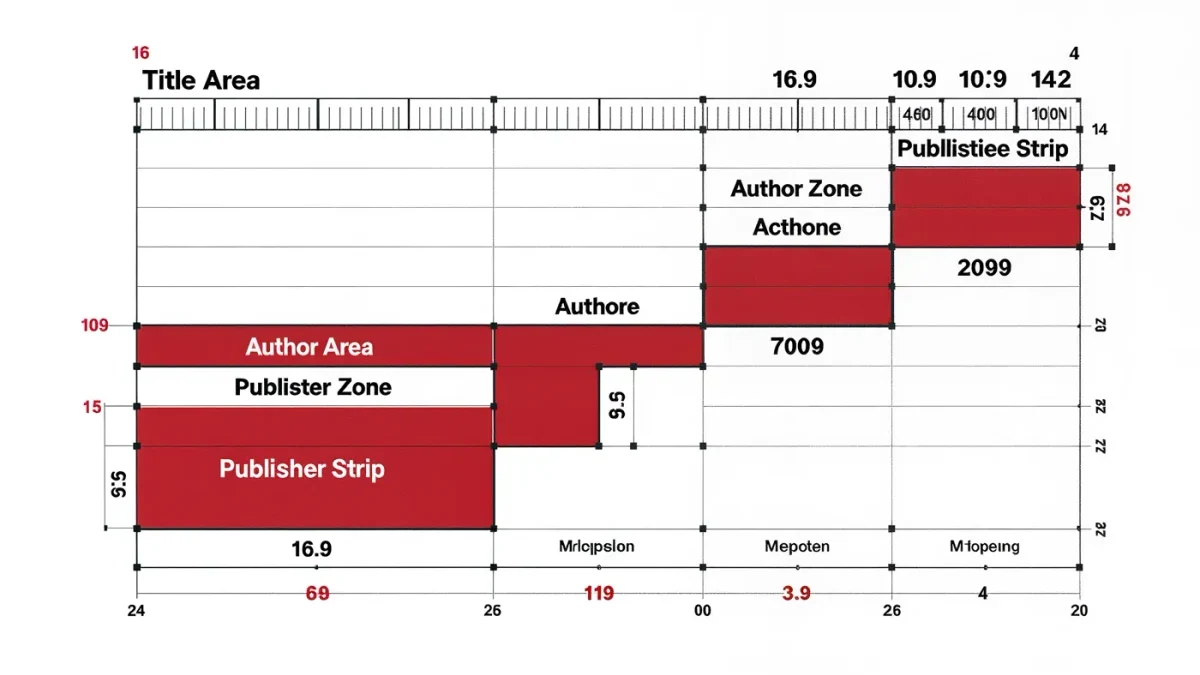
A good cover brief gives your designer five things before any pixel is drawn: genre, three to five comparable covers, the one emotion the cover must trigger, mandatory text, and exact delivery specs — ebook covers are conventionally 1600 by 2560 pixels for Amazon KDP, per its cover requirements page, at a 1:1.6 ratio. Authors who supply comparables get usable first drafts; authors who supply vibes get rounds of revisions.
What Belongs in the Brief and What Does Not?
Belong: title, subtitle, pen name exactly as it should appear, genre and subgenre, target reader, comparable titles from the last five years with a sentence on why each works, mood words, any series branding, and technical specs. Does not belong: a chapter-by-chapter plot summary, a photo of your dog as inspiration, or instructions to make it look like a different genre — the cover's single job is to tell the right readers what shelf this belongs on.
Why Do Comparables Matter More Than Anything Else?
Because genre covers are a shared visual language readers parse in under a second at thumbnail size. Bare-chested couples signal contemporary romance; serif typography over moody landscapes signal literary fiction; glowing interfaces signal LitRPG. Your comparables list tells the designer which conventions to honor and which to break deliberately. Pull comps from current bestseller lists in your exact subgenre — 2025-era covers, not 2010 — since styles age fast and a cover modeled on a decade-old hit reads as dated on release day.
What Technical Specs Should the Brief State?
- Ebook front cover: JPEG or TIFF, ideally 1600 × 2560 px, ratio 1:1.6, minimum 1000 px on the short side per Amazon KDP's cover guidelines (2025).
- Print cover, if applicable: a full wrap sized to your trim, page count, and paper stock, per your printer's template — the spine width changes with page count, so this cannot be finalized before the interior is locked.
- Source files: layered PSD or equivalent, so future series tweaks do not require a redesign from scratch.
- Typography that survives 100-pixel thumbnails: test the title at phone-lock-screen size before approving.
How Much Should an Ebook Cover Cost?
Market pricing through 2025 spans roughly $100 to $500 for a professional premade or custom ebook-only cover from working designers, with bespoke illustration, full print wraps, and series packages running higher — and stock-art self-assemblies available below that. The brief influences price more than authors expect: clear comps and locked text mean fewer concept rounds, and many designers charge by revision beyond the included rounds. Put the revision policy in writing before the deposit, not after the third round.
What Should You Check Before Approving the Final Files?
Run a thumbnail test on a real phone: shrink the cover image to roughly 100 pixels wide and confirm the title and genre signal survive. Check the cover at full size for licensing landmines — recognizable people, trademarked logos, or fonts the designer cannot document. Open the file in an image viewer that renders color accurately and verify the exact author name spelling; a typo on a cover is the single most embarrassing error in publishing, and it has happened to authors at every level. If the book is part of a series, lay the new cover beside the existing ones and confirm the branding reads as a family at a glance. Only then release the final payment.
How Do You Give Feedback That Improves the Design?
Describe problems, not solutions. "The title disappears at thumbnail size" is actionable; "make the title pop" is a mood. "This reads more thriller than cozy mystery" points at the real issue; "can you use a different font" may fix this cover and break the next attempt. One round of consolidated feedback from all stakeholders beats three rounds of drip comments — brief the co-author and the sensitivity reader before you reply, not after.
What Should the Contract Cover Besides Price?
Licenses for every stock image and font used, including print run terms if you go to paper; whether you receive source files; the number of included revision rounds; usage rights — covers for a series often need matching future titles, and renegotiating that later costs more than specifying it now. Industry groups such as graphic-arts professional associations publish standard terms you can reference; a designer who cannot document image licenses is a liability the week your book sells well.
The brief is the cheapest part of your publishing spend, and the highest-leverage: an hour with the bestseller lists and an honest paragraph about your reader saves rounds of revisions and, often, the difference between a cover that sells the book and one that apologizes for it.